|
Frequently
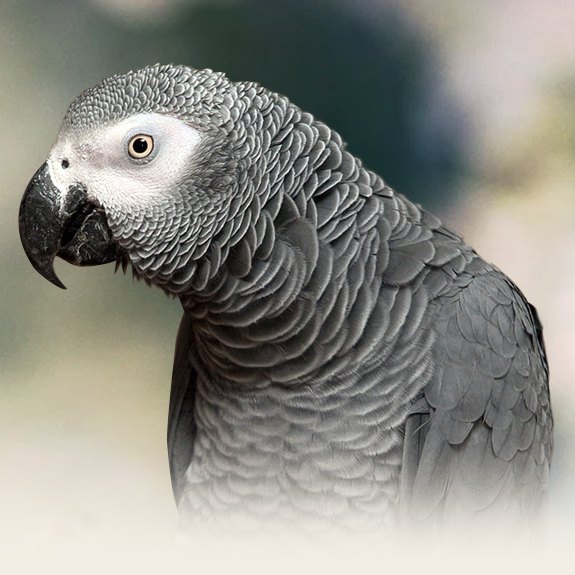
touted as the best talking parrot in captivity, the African Grey is
indeed an incredible talker. They can learn literally hundreds of
words, and from first hand experience I can tell you sometimes they
really do know what they are saying. We had one that would make the
sound of the key in the lock of the front door whenever our son was
at home alone, she knew it scared him and she loved his reaction!
She also would call the dog then dump her water dish on her, but yet
when the dog was having puppies she chose to have them under the
Grey's cage, who literally coached the dog through the births.
However, African Greys can be very dignified and somewhat aloof. If
very bonded to one person they may become jealous and protective
toward them, even defending their loved one if someone else comes
too close to them. In the wild, around the age of two or three a
Grey will pick his or her mate for life. This is why as pets at
this age a Grey may decide it's formerly bonded person is not the
one for him anymore, he may pick another member of the family to be
his or her 'mate', even though it may be someone he has previously
ignored. The intelligence level of these birds is too high to
expect any one of them to act the same, their likes and dislikes are
as obvious as a human. In fact, it is like having another person
around and they seem to demand the same respect you would give to
anyone else in your home. Their intelligence is about the same
level as a young child. Often also called the smartest of all
parrots in captivity, they will convince you of that themselves.
They are truly amazing to have around.
Bathing is a
requirement with these birds as Greys tend to have more feather
plucking problems than many other species. These problems can rise
from a multitude of reasons. Change of cage location, introduction
of a new pet, baby or even furniture are among the causes. Bathing
will help in the case of this happening, especially if Aloe Vera is
added to the spray bottle or bath water. Some Greys hate to bathe,
it may take time and patience to find a way they will accept without
being frightened of it. If your bird develops a lot of powder on his
feathers this is a very healthy sign and is the result of good care
of his feathers.
Caging
requirements: We would recommend a 2x2x3 foot cage
minimum, although a double wide Amazon cage is preferable. They
dowell with playtops, and are happy to sit on them all day. Buy
toys that demand thought, such as the type where pieces can be
unscrewed or manipulated. Wooden toys to chew up are important,
Greys love to shred wood and will happily destroy the wooden
block toys you give them. Rotate the toys so they don't get
bored. Rope perches are usually destroyed pretty quickly.
Greys also like to have a small 'sleep perch', a 6 inch cement
perch works well. Put it up as high as they can sit
comfortably, preferably toward the back of the cage.
Feeding
req uirements: Eating is something these birds do well. A good
pelleted diet would be primary, followed by a small amount of seed
to vary their diet and give them the fun of cracking the seeds.
Grey's can be prone to being overweight so keep that in mind with
the seed. They love demolishing whole corn on the cobs, oranges
with peel and pomegranates. They love to eat whatever you are
eating, just make sure it's healthy before you share! If you start
giving them undesirable foods they will quickly learn to cause
commotion when they see you eating it if you don't share. It's best
off not to start bad habits, these birds have a very long memory!
Our African
Grey Photo Album click
HERE

|